🪄Everyday Magic in Healing Through Tea ☕️ Which Chases Away The Flu #MondayBlogs

Featured

A few weeks ago, I told my journal that I was interested in finding examples of everyday magic. Sometimes it feels like my life and my journal are in cahoots, as whatever I write in my journal ends up in my life. Exception – lottery wins. I have tried.

Last week, I came down with the flu. The timing of the flu wasn’t great as I had my mum staying with me, and I worried about her immune system. Plus, we had a weekend in London planned. As I thought my aches and pains were just a symptom of me overdoing things, we went ahead with the London weekend. By Sunday, I was sick, and on Monday, Mum went home as I didn’t want her to catch whatever I had.

Last week was spent battling with aches, tiredness, a sore throat, sneezing, coughing and limited sleep. This morning, my symptoms were no better.

Medication wasn’t shifting this damn illness, so I turned to food. I’d read some posts about the magical powers of food, but never quite believed. My husband bought the ingredients for a recipe which promised to send the flu bug running:

Ingredients:

Water

Ginger (fresh, 1 inch)

Black peppercorns

Cloves

Honey

Lemon

You put all the ingredients in a pan and simmer for 10 minutes. After you strain the liquid and make a tea.

It’s the kind of tea that smells like care itself; that seems to hum inside you and whispers: rest, breathe and let go.

I have spent the day drinking this special tea while wrapped in a blanket. This tea has done more for me in a few hours than those medications have done in days. Tonight I feel like my old self and earlier this afternoon I managed a little nap without coughing.

This feels like a good example of everyday magic and thought it was worth a blog post x

✨ Everyday Magic: The Unexplainable Moments in Life #MondayBlogs #everydaymagic

Featured

Every now and then, something happens that makes us pause. It might be tiny, almost ordinary, yet it makes us stop and think. It carries a weird feeling that something else is at play. Some call it coincidence. Others call it fate.

I like to think of it as everyday magic. ✨🪄

Something big has happened in my life. I can’t talk about it just yet, but when I tell you about the strange synchronicities, how the stars aligned and the weird signals that preceded its arrival, you will give me a knowing nod.

We often imagine magic as something dramatic – spells, miracles, glowing orbs, but often it quietly slips into our lives in ways that don’t demand to be understood.

👩🏼‍🦰 The Right Person at the Right Time

Have you ever run into someone whom you hadn’t seen in years, right when you needed them most? Or a stranger enters your life and helps you achieve things you never thought were not even possible?

Those chance encounters often feel like more than coincidence. But to me, they feel like the universe is winking 😜

Signs and Synchronicities

Numbers on clocks, songs on the radio, feathers on the ground and repeating patterns that appear when you’re thinking deeply about someone. When I think about my dad I always see a white feather or hear a guitar playing.

These signs can sometimes feel like little messages.

Science might be boring and call them pattern recognition, but I think they give us a sense of connection with something unseen.

🔮 The Quiet Answers

Sometimes the answers we search for don’t come from books or conversations. They arrive in stillness, during a dog walk, a toilet dash in the early hours or a passing breeze. It’s as if the world whispers back when we finally get quiet enough to listen.

🤺 Moments of Protection

There are stories we carry, the near misses, the close calls, the strange pull that made us take another route or change our plans. We may not be able to explain why, but we’re grateful. These are moments which make sceptics wonder if something is watching out for us.

🌈 Everyday Wonders

Magic doesn’t need to be mysterious. Sometmes its the simple things: skies turning gold, clouds clearing at the right moment, the warmth of a hug or the sudden smell of something from your childhood.

A next time something small and strange makes your heart skip, smile. ⭐️ Magic is at work ⭐️

🏃🏻‍♀️How Following Athletes on Social Media Turned Me Into a Motivated Writer #MondayBlogs #writer

Featured

For years, my social media feed has been a stream of writing advice, trending writer quotes and hacks on how to write more words. I have followed countless authors and writing coaches. I have spent hours celebrating their book successes, admiring their book covers, and appreciating their writing practices.

One day over the summer, I found myself spending more time scrolling through their feeds looking for motivation to write, but I wasn’t actually writing.

So, I made an odd decision. I started following professional athletes and filling up my social media feeds with their training vlogs. I still followed the authors, but I shifted my focus.

In my youth, I was a long-distance runner, so watching athletes train for the 800m and 1500m events felt like reconnecting with that younger version of myself. I started following GB athletes like Keely Hodgkinson, Georgia Hunter-Bell, Laura Muir and Jemma Reekie. I also followed American sprinters such as Melissa Jefferson-Wooden and Sydney McLaughlin-Levrone.

I began watching their training vlogs on YouTube and their Insta reels, where they discuss discipline and the mental battles they face. I admired their physical dedication, the way they tracked progress, and their calm acceptance of failure as part of the growth process. I admired them for showing up to train in the pouring rain, the suffocating heat, and the times when they faced personal issues off the track. They persevered through the training despite the challenges.

Soon, something shifted inside me.

Athletes made me view discipline in a new light. Watching athletes train reframed discipline for me. They don’t just “feel like” going to training, they go because that’s who they are. Their discipline isn’t glamorous; it’s about repetition, consistency, and patience, in all weathers. Writing is not glamorous. I write books, and they often feel like marathons. My books require me to show up regularly, not when I feel like it.

Progress became about progress, not about perfection. Athletes celebrate small milestones, such as shaving off a second or two, achieving a better sprint, overcoming the little things in the finish, and improving their running style. I started celebrating the little wins with my writing. It became less about the outcome and more about the process.

The power of training. I have started viewing my writing sessions as my own form of training with adequate periods of rest afterwards. Instead of searching for motivation, I have begun building discipline. Instead of waiting for creativity to strike, I have trained for it.

Writing is a sport of endurance and a test of patience and mental toughness. It’s about showing every day and trusting that repetition makes us stronger.

📔 The Surprising Writing Tool I Didn’t Expect: A Gratitude Journal #mondayblogs #writingcommunity

Featured

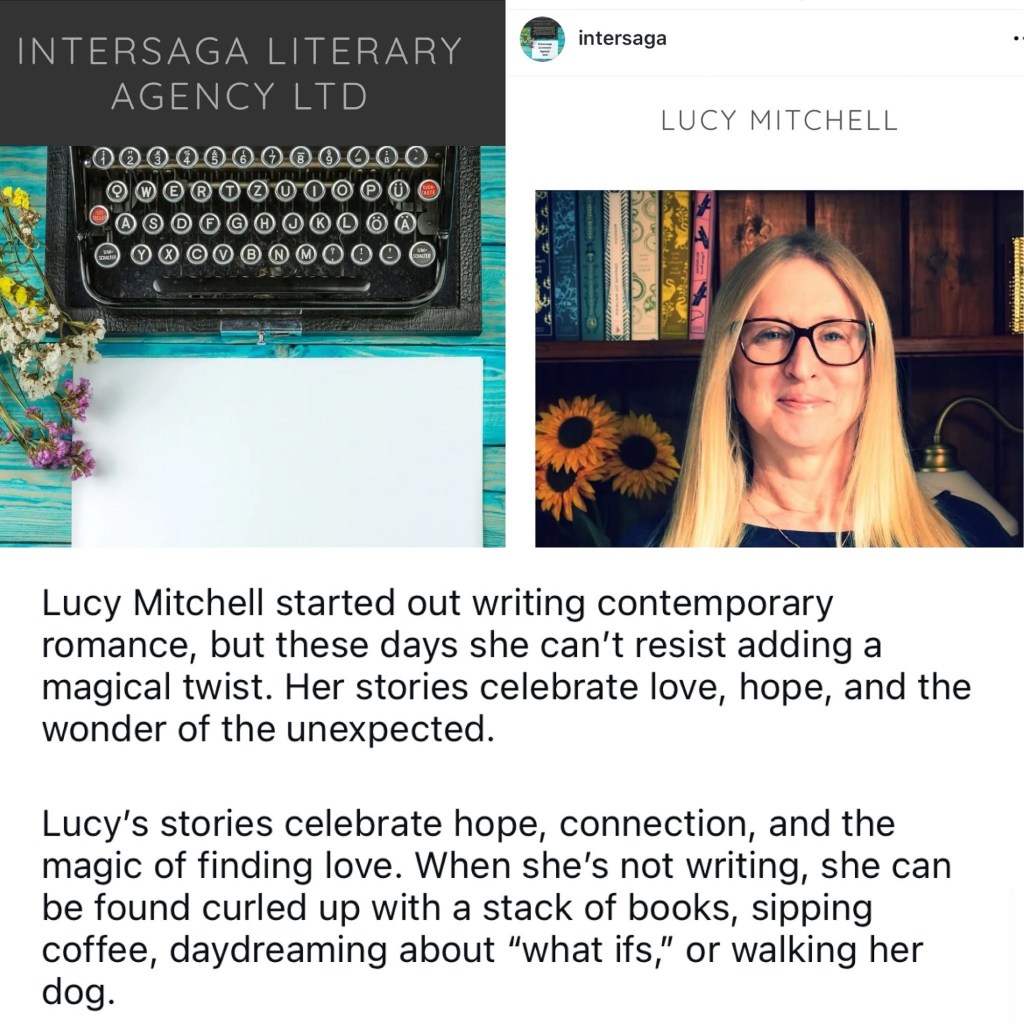
On Friday, I announced on social media that I am represented by Intersaga Literary Agency.

It has taken me a year to find someone who believes in me and my work.

During my year of querying, I wrote a book and rewrote another, queried numerous agents, and received a range of responses, some positive and some not so much.

Through all this, I kept a gratitude journal.

I have never kept a gratitude journal before. I never believed in them, until I heard this phrase, when you start appreciating the good, the good gets better. No idea where it came from but it was linked to a post on gratitude.

I am sitting here, flicking through my gratitude journal, and I think this has been a surprising writing tool for me. I am grateful to it because I believe it kept me sane and kept me focused.

Keeping a gratitude journal shifted my mindset. With my writing I focused on progress and not perfection. Every word written became something to celebrate. I am looking at the page where I drew stars and hearts after giving thanks for 1,567 words.

I even celebrated the rejections. They were medals of honour. I had been brave and taken a risk. Despite being hard to write, I thanked the universe for each rejection, and I thanked the agent too.

If the rejection had been received within twelve hours, I thanked the agent for their promptness in redirecting me.

One agent mentioned that even though she was rejecting me, my query had made her snort with laughter a few times. That, for me, was a small win, and I gave thanks for her honesty.

The big thing was that I thanked myself for showing up when life outside of writing was tough. The act of doing this was powerful. I gave thanks to myself for getting words down on paper when there was a giant hole in my kitchen ceiling and water coming through, when I had an allergic reaction and my face went bright red for days, when I was going through a challenging time at work and when my kids were going through difficult episodes in their lives.

My gratitude journal has become a writing habit and a mindset practice.

Sometimes the best writing tools aren’t the fancy ones we expect – they’re the ones that remind us to notice what’s already working.

Do you keep a gratitude journal?

If you want to learn more about me click here

🐶 The Benefits of Adding Pets When Writing Romance Books 💖 #MondayBlogs #WritingCommunity

Featured

There’s something magical about a good romance book —the spark, the tension, the swoony happily-ever-after. But you know what makes it even better? A wagging tail, a judgy cat, or even a diva of a parrot chiming in at the wrong moment.

🐈 Whether it’s a loyal dog, a mischievous cat, or even a naughty hamster, animals can do more than create some comedy moments. Pets become catalysts for character development and drive your plot forward.

Here’s why adding pets to your romance books works:

  1. 🐾 Instant Relatability
    Most readers either have pets or have fond memories of them. Including a dog curled at a heroine’s feet or a cat demanding attention mid-conversation creates a moment of recognition. Those little details make your book’s world feel grounded and familiar.
  2. 🐶 Revealing Character Traits
    How a character interacts with an animal speaks volumes. A patient hero who adopts a rescue dog shows compassion. A heroine who spoils her cat reveals her nurturing side. Even a character who struggles with a pet can highlight flaws, growth arcs, or hidden softness beneath a prickly exterior.
  3. 🐈‍⬛ Natural Icebreakers and Plot Devices
    Pets can help two characters meet or reconnect—think of the classic “dog-walking encounter” in the park. They also create organic reasons for repeated interaction: pet-sitting, vet visits, or a runaway animal who keeps bringing two people together.
  4. 🦜Adding Humour and Lightness
    Romantic tension often benefits from levity. A cat knocking over a wine glass at the wrong moment, or a dog interrupting a kiss by jumping onto the couch, adds warmth and laughter without derailing the story.
  5. 🐕 Emotional Anchors
    Pets embody unconditional love. They can comfort characters through heartbreak, loneliness, or self-doubt, reflecting themes of loyalty and devotion. A pet’s presence often mirrors the growing bond between the romantic leads, offering a symbolic thread through the narrative.
  6. 🐱 Expanding the World
    Animals naturally expand a character’s circle. Dog parks, vet clinics, pet stores, or animal rescues all provide new backdrops and opportunities for character interaction, giving writers more variety in setting and pacing.
  7. 🐭 Building Reader Investment
    Readers often become just as attached to the fictional pet as they do to the main characters. That extra bond deepens emotional stakes, making the story more memorable and engaging.

    In romance, every detail matters—especially those that reveal heart. By weaving pets into the storyline, authors don’t just add charm; they enrich character depth, heighten emotional stakes, and create moments of humour and relatability that resonate long after the final page. 🐶🐾❤️

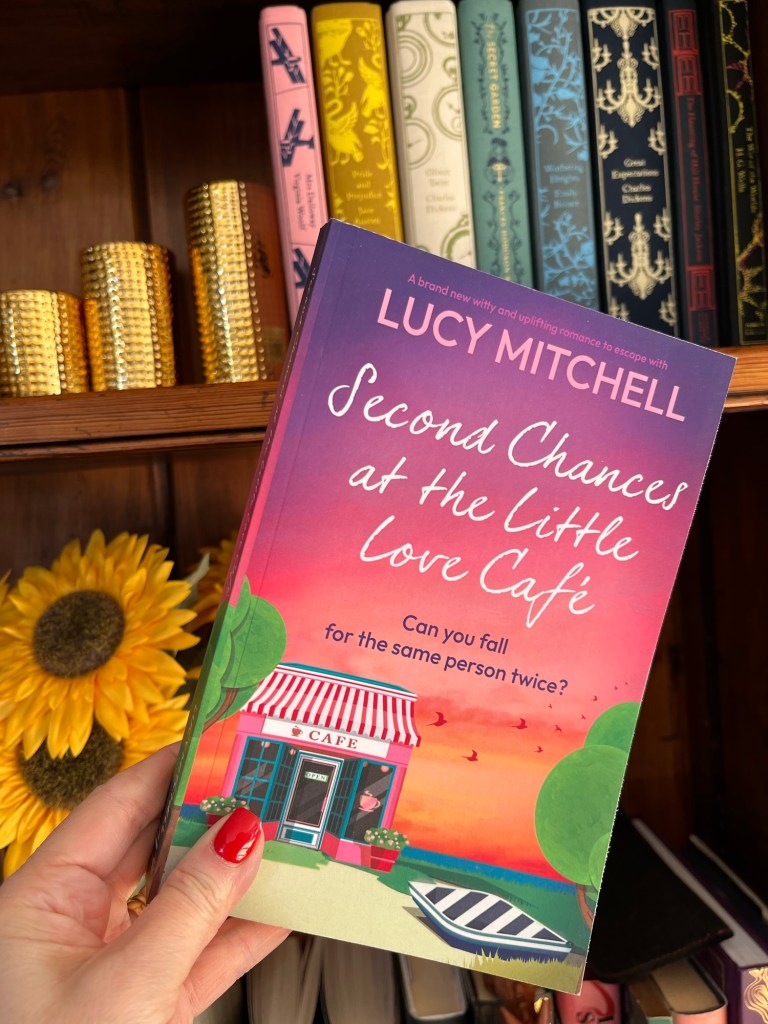
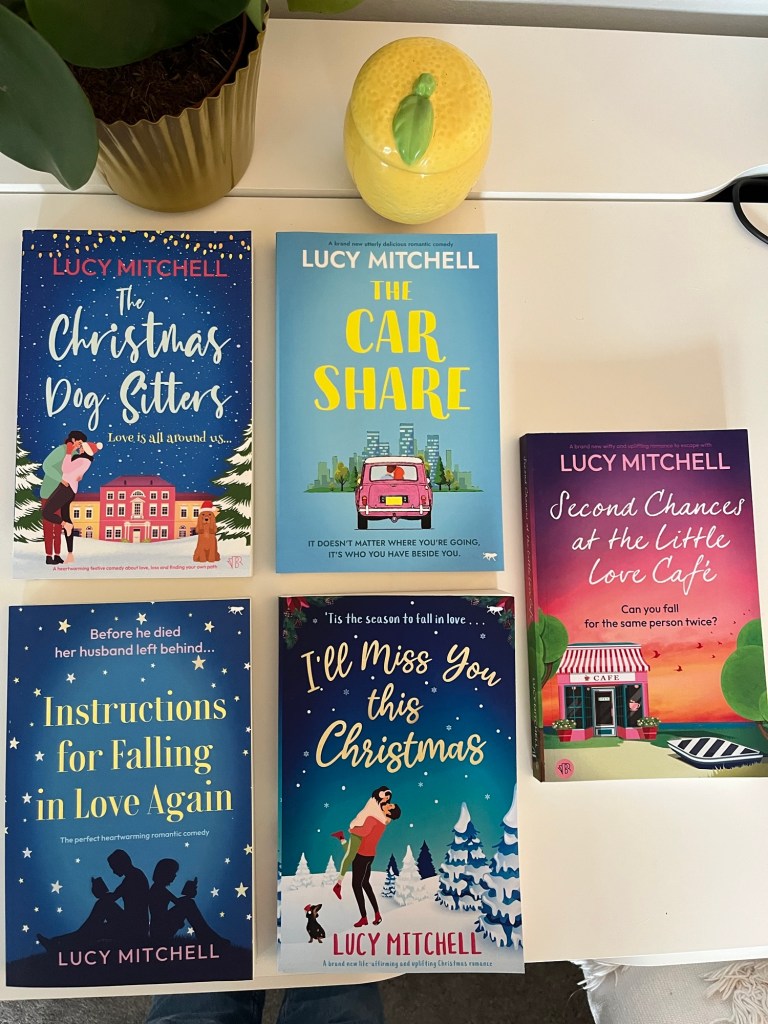
Here’s my latest book: The Christmas Dog Sitters – Humphrey the mischievous spaniel is the star of my book ❤️

Find out more about me and dog – click here for cute dog pics

📚 How To Survive Comparing Your Unfinished Draft Novel to a Successful Author’s Bestseller #MondayBlogs

Featured

Here are the stages of comparing your unfinished draft to a successful author’s bestselling novel:

Reading euphoria. Your favourite author’s latest book is hard to put down. You haven’t surfaced for food, drink, or some basic form of interaction with another human being for most of the day.  Their book is AMAZING.

As you reach a juicy bit in the book, you get a rush of what can only be described as reading euphoria.

Panic. During this intense spell, you become aware of a helpful little voice inside you saying, ‘You couldn’t write anything like this’.

You start to think about what the little voice said. You place the book in your lap as a dark cloud of writer’s doubt passes over you.

In a panic, you glance at the pile of papers making up your unfinished draft novel. It’s taken you months to reach this stage, and the project is not even finished. Up until you read this book, you thought your draft novel was pretty awesome.

Comparison Hell. You enter what can only be described as a form of writer comparison hell.

Your mind starts to unpick your draft whilst replaying the amazing bits of the book that you are reading back to you.

The helpful little voice returns and gives a handy running commentary on:

– how your draft does not have this author’s engaging tone

– your draft does not contain the plot twists that this author’s book possesses

– your draft does not have the amazing characters which bring this author’s book to life.

You reach out for a box of tissues. All those loving feelings for your draft novel are washed away with your tears.

Gigantic cloud of self-doubt. After some careful consideration, you decide that the best thing all round will be for you to…quit writing. You could never come up with something as good as this book.

There is no hope for you so why put yourself through anymore misery?  

The literary dream is over.

STOP!

Your successful author’s book has been through NUMEROUS revisions. It will have been changed, edited and rewritten a LOT before it hit the shelves. It has been polished so much, the damn thing shines!

Your draft hasn’t, and more importantly, it’s still not finished.

Your draft is still at the ‘ugly duckling’ phase. All draft novels go through this stage.

Your successful author’s book even went through the unfinished draft stage and probably looked nothing like what it does today.

Behind every great book on sale are hours, days, months and in some cases years of hard work.

So, how do you learn to survive this?

  • Make notes on what made their book so good. Use this insight to feed into your own work.
  • Read book acknowledgments more. This is where an author documents their struggle, pain and journey to publication. If you read these you will see that the journey to a published bestselling novel is long and arduous.
  • Take out an old project you wrote a few years ago and compare your current draft. Look at how far you have progressed. This is the comparison we should all be doing.

Keep writing and finish your book!

💖 🚗 Writing the Perfect Commuter Romance: Turning Commuting into Love #mondayblogs

Featured

We’ve all been there — sitting on a train, bus, or on a busy tube, earbuds in, coffee in hand, watching two people exchange nervous smiles. Perhaps one tries to make interesting small talk or the other drops the book they’re reading, and they both reach down to pick it up. The romance author in me always wonders whether this is the start of a train, bus or tube love.

If you’ve ever wanted to write a romance that unfolds between the morning rush and the evening ride home, here’s how to make it work.


1. Make the Commute a Character

The setting is half the appeal of commuter romance. Whether your story takes place on a bustling city underground, a sleepy small-town bus or in the back of a pink mini, let the environment shape the story.

  • Use the sensory details — the hum of the tracks, the press of strangers, the smell of rain on pavement.
  • Let the commute set the rhythm — mornings can be hectic and filled with near-misses, while evening rides might be quieter, more reflective, and intimate.
  • Include the small rituals — favorite seats, missed connections, waiting for the right bus. These little moments can become emotional touchpoints for your characters.

2. Create Organic Encounters

The magic of commuter romance is that it feels like fate brought two people together. Avoid forced meet-cutes — instead, lean into the natural patterns of commuting:

  • Glances across the aisle that turn into smiles.
  • Shared frustrations when the train is delayed or the bus is too full.
  • Brief interactions that build over time — lending a pen, sharing an umbrella, swapping book recommendations.

This slow-burn format works beautifully because readers are invested in watching the relationship unfold in small, believable increments.


3. Play with Tension and Timing

A commute is inherently time-bound. Your characters only have a few minutes (or an hour at most) to interact before one of them gets off. Use this built-in constraint to your advantage:

  • Cliffhangers: One character is about to confess something… and then their stop comes.
  • Near-misses: One day, they don’t show up, and the other character has to grapple with how much that absence hurts.
  • Countdowns: Maybe one of them is moving to another city soon, giving their romance an urgent ticking clock.

This makes every interaction count — and keeps readers turning the pages.


4. Explore the Themes of Movement

Commuter romance isn’t just about getting from point A to point B. It’s about transformation.

  • The journey mirrors the character’s emotional growth.
  • The daily routine becomes a metaphor for breaking out of a rut.
  • Love literally takes them somewhere new.

Whether your characters are finding love while stuck in traffic or riding a high-speed train, their emotional arcs should mirror the motion of the world around them.


5. Don’t Forget the Destination

Eventually, your characters have to leave the train (literally or figuratively). A satisfying commuter romance shows what happens when their relationship steps off the platform and enters real life.

Do they keep seeing each other outside of the commute? Do they decide to make a big change — move, switch jobs, take a leap of faith? Your ending should feel like a reward for all those quiet moments spent sitting side by side.

Here’s my commuter romance: The Car Share

The Car Share

Embark on a heartwarming journey in this romantic comedy that proves it doesn’t matter where you’re going—it’s who you have beside you on the way . . .

After Lia’s old car breathes its last, the single mom must reluctantly take the bus to work . . . and face unwarranted attention from a troublesome teenager. It’s all too much to take—she’s been depressed since her fiancé’s death and even quit her beloved women’s football team. But it’s Happy Car Sharers to the rescue after her friends get her set up on the app.


Mateo, meanwhile, has recently moved to town, and his long walk to the train station is a literal pain due to an ankle injury. Soon he and Lia are riding each morning with a charmingly bossy driver and a rotation of colorful fellow passengers.


It’s not love at first sight. Technically it’s not even first sight: they’ve seen each other before at the nursing home where both their fathers live and Mateo plays piano for the residents. But with each trip they get to know each other better . . . and the more they know, the more they find to like.


With both of them consumed by personal losses and pressing family responsibilities—and another man getting in the way—can romance lie on the road ahead for these commuting companions?

The Car Share is a humorous exploration of love, loss, and the unexpected detours that lead us to where we truly belong.

🦋 What Taylor Swift Can Teach Writers About Symbolism

Featured

Help – I have fallen down the rabbit hole of symbolism in writing! Last week’s post on the symbolism of doors sparked something within me.

I wouldn’t say I was a Swiftie with regards Taylor Smith but I do have an appreciation of her music especially her albums; Midnights and The Tortured Poets Department. Both of these albums contain songs which are forever playing on my playlists.

I do think Taylor Swift is more than a singer / songwriter. To me she’s a master storyteller. The way she uses objects, colors, numbers, and repeating motifs to make her songs come alive, boggles my fiction writing mind.

When it comes to symbolism I think we can learn a lot from Taylor Swift:

Signature symbol. I love how the number 13 follows her across her albums, eras and performances. The number 13 needed Taylor Swift to take it under her wing as up until she came along it didn’t have great street cred. What can we learn from this? Give your protagonist or story a recurring object, number, or phrase that becomes uniquely tied to them. This could be a piece of jewelry, a meaningful song lyric, or even a personal superstition that appears at key moments.

Use of colours. I love how each album has a distinct colour palette and there is always meaning behind it. Her album, Lover, is bathed in a soft pastel pink which represents love and warmth. Grey and neutrals for her album, Folklore, to me were about nostalgia and Midnights was dark blue and lavender signifying introspection and mystery.

Small objects carry big meaning. This is my favourite part. Taylor does this very well. She gives small object so much emotional weight. Here are a few examples:

A scarf becomes a symbol of love and loss (All too well).

mirrorball represents fragility and self-reflection (Mirrorball).

cardigan is comfort and memory wrapped in one (Cardigan).

What can we use from this? Pick one or two objects in your story and let them evolve with your characters. Maybe a chipped mug follows your character from their old life into their new one, symbolizing what they carry with them.

Symbolism turns Taylor’s songs into things that linger in your mind long after they have stopped playing. It gives her songs a narrative emotional texture — that extra layer that makes listeners pause and say, “Ohhh, I get it.”

We can learn from her.

Things I am learning from Taylor Swift:

Choose one object, one color, and one repeated idea.

Plant them early in my story.

Letting them grow in meaning as my characters change.

I can’t leave this post without giving you my top 5 Taylor Swift songs:

  1. Mastermind (Midnights)
  2. So, Long London (TTPD)
  3. Look what you made me do (Reputation)
  4. My tears ricochet (Folklore)
  5. The Prophecy (TTPD)

Would love to hear your thoughts and your top 5 Taylor Swift songs 🦋

🎤 ❤️

If you want to know more about me click here

🚪 5 Things About Using Doors in Your Writing #MondayBlogs #Writers

Featured

I have been reading about how doors can be used as writing devices, and I am obsessed. You’re probably reading this and thinking, Lucy Mitchell needs to get out more…

But…I am not the only one thinking about doors…

A few days ago, I listened to Taylor Swift on the New Heights podcast, and she talked about her dramatic exit through an orange door during the final Eras Tour show, which was no accident—it was what she referred to as one of her carefully placed Easter eggs. Unlike her usual exit via elevator, this one symbolised both an ending and a beginning. I was writing this blog post at the time and suddenly felt Taylor Swift and I were on the same wave length. Sigh!

Useful article on Taylor’s orange door here.

I didn’t realise how doors can be used as powerful symbols.

In my writing, I have never thought about using doors as symbols or tools. In my stories, characters are constantly slamming them shut when they are having a temper tantrum or an emotional outburst. But I have never intentionally used them.

But now after my research I think doors offer us so much more:

Symbols. Doors can have lots of symbolic meanings which we can use in our writing. Symbols can convey things to your reader

  • A closed door can mean opportunity denied or hidden secrets.
  • An open door can suggest freedom, an invitation or vulnerability.
  • They represent a choice or the act of making a decision.
  • Doors can represent escape.
  • An open door can mean hope.
  • Doors can represent barriers that need to be overcome.

Character insights. How a character interacts with a door can show a number of emotions. What doors do they keep shut and does this show avoiding confrontation?

Symbols of Opportunity and New Beginnings. A door opening and entering a new phase and chance for change. Think Alice in Wonderland. Alice stepping through the small door into Wonderland.

Plot catalyst. Doors can move your plot forward. They can be used to act as portals to other worlds, revealing secrets or a forgotten past or trigger events,

Internal reflection. Hesitation at the door can show fear, doubt or anticipation. Forcing the door open can show urgency, desperation or defiance.

Passageway between two worlds. This is probably my favourite. I am a huge fan of The Secret Garden by Frances Hodgson Burnett. In this the door is used as a passageway from isolation to connection. On one side you have Mary’s old, stifled existence and on the other a works full of possibilities and connection. The door is also a passageway between the old world of death and neglect to healing and self discovery.

Doors in Romance and Relationships
Metaphor:
“opening the door to love.” Great way to use physical space to mirror emotional journeys.

The next time your character approaches a door, ask yourself what it means – not just where it leads…..🚪

Learn more about me here.

Door pics from Canva

💖 My First RNA Event – RNA Summer Fling 2025

Featured

This was my FIRST RNA (Romantic Novelists Association) and my first writing conference event in a long time. It’s very easy as a writer to lock yourself away and hang out with your laptop and extensive notebook collection. I have been guilty of this so 2025 is about getting out of my cave.

Friday: I got the train from Newport to Birmingham. It was very hot and I prayed my deodorant lived up to its marketing promises. I did not need to be let down by my deodorant at my first event.

Met my local RNA Chapter on the train – The Cariad Chapter and we all travelled together which was nice. Got to Birmingham and we all stayed at the Premier Inn. It was so hot on Friday but this hotel room’s AIR CON was on top of its game.

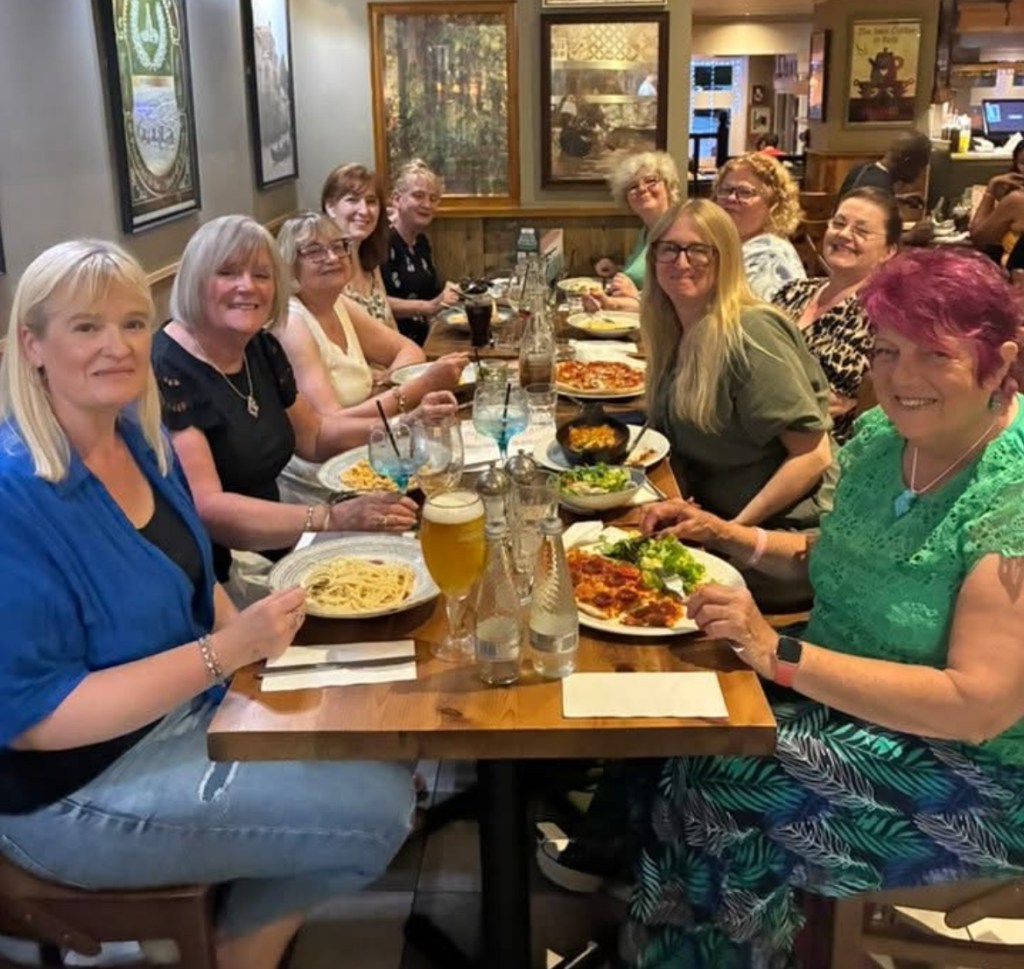
I was invited to the Cariad Chapter’s meal on Friday evening which was nice. I wore a green jumpsuit to the meal and prayed my bladder would not get excited as jumpsuits are not easy to wriggle out of in the loo. The meal was a giggle, the food was lovely and it was nice to chat books. Luckily my bladder behaved itself and there was no sweaty wrestle in the loo.

Saturday

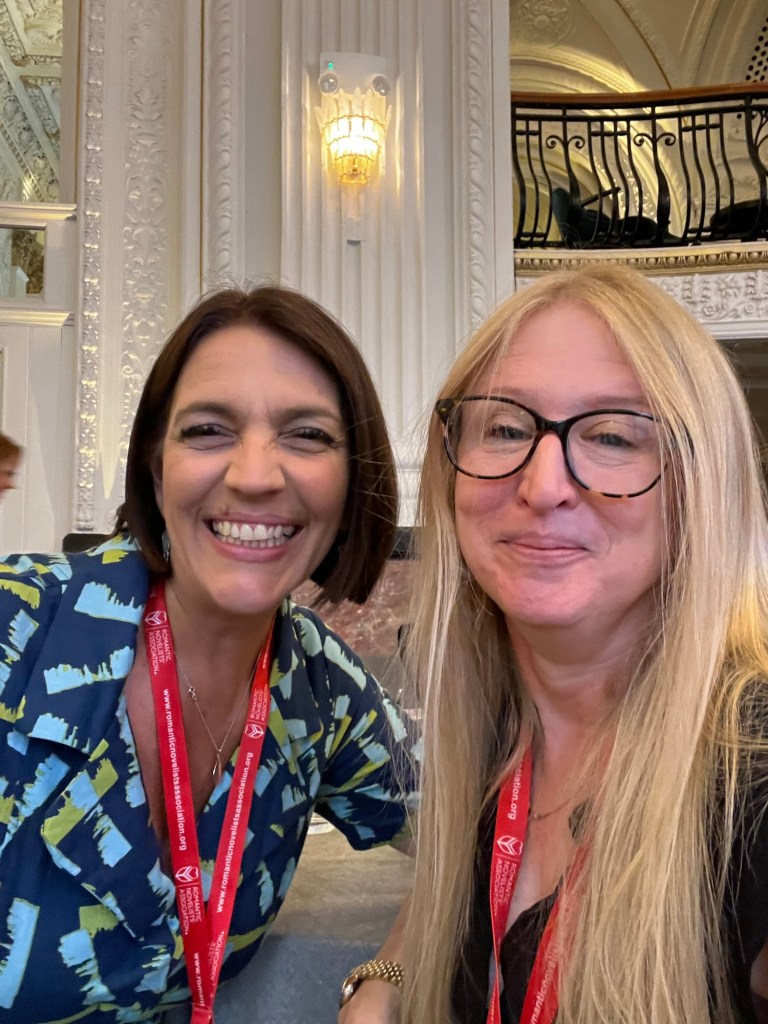
I started fan girling early and this was me with my author heroine – Sue Moorcroft near the coffee machines at breakfast.

Got to the event which was held at The Grand Hotel ❤️

Really beautiful venue and the pastries were fab.

Now…10 years ago I met this lovely blogger at a blogging event. The one and only Ritu from her fabulous blog which I follow. Look how young and fresh faced we are!

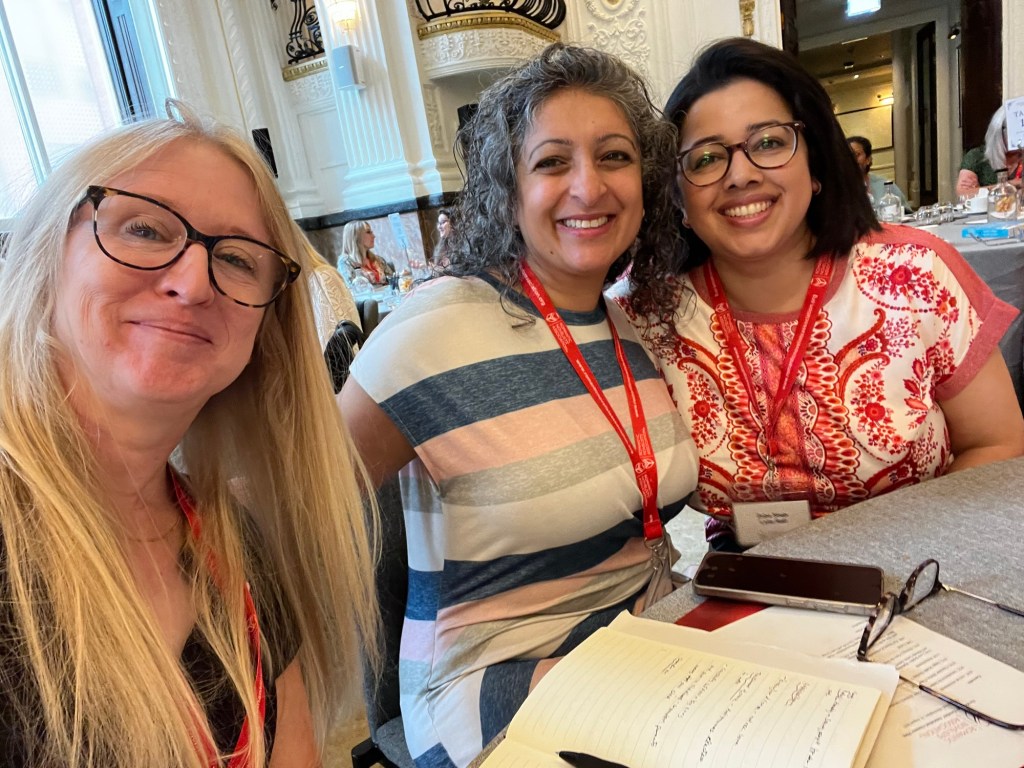
Here we are 10 years later at the RNA event and I got to sit next to her 📚❤️ She has got younger so I was asking her for her eternal youth secret.

We sat next to author Laila Rafi who is lovely and we had a fantastic group exercise together.

It was such a beautiful room – look at that ceiling ❤️❤️

Then I met another friendly face from 10 years ago – the legendary Shelley Wilson ❤️

Had a great chat with Shelley about all the things blogging has taught us for this world of romance writing.

The author below is Fiona Lucas and she’s a whiz on TikTok as well as writing fabulous books.

The WordPress blogging girlies had a selfie ❤️

I met two authors who are also with my current publisher Bloodhound Books. I should have got selfies but was too busy chatting. Hello Georgia Hill and Nicola Knight.

I met a fabulous author – Katy Summer who has an audiobook out and we had a giggle about writing spicy scenes.

I write with the door closed right now (no 🌶️ for me) however Katy has basically removed the door (🌶️🌶️🌶️ ) and I was asking her how I open my door 🤣 🚪

I also had a laugh with Coco Elliot about the same topic.

It was a fabulous event and the talks were so informative and funny.

My only regret – not enough selfies. Too much chatting!

It has inspired me to get writing 📚

Learn more about me here

📝 10 Things That Helped Me Revise My Draft Novel

Featured

On Friday, I finished revising my latest draft novel. I think this novel has added a few more grey hairs and definitely a new wrinkle or two. I have now sent it to someone important (will tell you more in September – high-pitched squeal), and I can start writing my next book, which is desperate to get my attention.

I wanted to document the things that have helped me get through the revision of my draft novel, because it hasn’t been easy and I need some sympathy….

This book was planned out last year, and I wrote a messy short first draft last year. I rewrote it in April and May. So, the revision I have just done is the third draft.

  1. Feedback. I used a professional novel critique service (Elspells), which is one I have used before. There was a cost, but I trust Ellie, and even though her feedback was painful at times, I know she wants to see my draft novel improve and be the best version it can be.
  2. Post Feedback Emotional Breakdown. This was needed. I had to grieve for the old version of my draft novel, and I had to say goodbye to a character and a few storylines. For this, I needed a box of tissues, chocolate and my dog to hug me.
  3. Pocket Notebook. I found that new ideas for my revision didn’t come to me when I was sitting at my desk. They arrived while I was on the train, the bus or in the car. They appeared in the supermarket or shopping for clothes, and at the coffee machine at work. Carrying this notebook around with me has been useful.
  4. Shelved Novels. I have written 12 complete novels, and I have 6 half-finished, shelved novels. Only 5 of the 12 have been published, so I have a lot of characters, plots, and settings that didn’t work the first time but could be extracted and used in this new book. So, I went on a scavenger hunt through my old files.
  5. Junk Journalling. When I wasn’t writing, I was junk journalling, and this has proved useful as it is a great stress reliever for me. I think my brain needs a few creative outlets to work on. There is something magical about sitting down with glue, journal material, stickers, scraps of junk, and a blank journal.
  6. Kitchen dancing. Dancing whilst revising is a must. The kitchen at night became my dance floor, and let me tell you – I got creative with my arms and legs! A clap combined with a high leg kick is good for writer’s block. Just be careful you have no hot pans on the stove.
  7. Painful changes first. I worked on the painful modifications first. It was tough.
  8. Spreadsheet. I set up a revision spreadsheet, listed all my changes and ticked them off as I went.
  9. Red lipstick. I wore red lipstick as I made the big changes, like removing characters. It’s a power move.
  10. Read a different genre. I switched to non-fiction books while I was revising. I find that if you read the same genre you will find the book you are reading appearing on the page.

Revising your draft novel is tough, and it is a long, dark tunnel but you must keep moving.

Never lose hope and keep writing.

Learn more about me here

💔 10 Things Not To Say To A Romance Author Writing a Breakup

Featured

I am currently crafting the emotional wrecking ball part of my draft romance novel – the breakup 💔

It’s a tense and my emotions are all over the place.

This is not the time for witty comments from loved ones who have never written or read a romance novel in their life.

Here are some things not to say to a romance author writing a breakup:

  1. Can’t you just let them stay friends?”
  2. Didn’t you write a break-up in your last book?”
  3. Can’t they break up via text?”
  4. Didn’t they just get together two chapters ago?”
  5. Is he based on me?”
  6. is this based on us?”
  7. You seem really into this – should I be worried?”
  8. Why are you crying over something that is made up?”
  9. “I thought romance books were supposed to be fun?
  10. You know it is not real – don’t you?”

I am going to carry on writing the heartbreak 💔

Learn more about me

📚 10 Lessons I Learnt With 5 Published Books

Featured

Back in 2017, I decided to write my first full-length romance novel. Before this, I had written a dodgy space rom-com and a romance series, which was written via thirty-four weekly blog posts, called The Diary of Roxy Collins. One day I must turn her into a book.

The thought of being published back then felt like a pipe dream. It was something that happened to other people, not to someone like me.

After much daydreaming and procrastination, I had to set aside the dream of being published and focus on learning how to write a romance novel. This book would become “Instructions for Falling in Love Again.”

My first book was published in 2023 with Bloodhound books.

Here I am today, with five published books behind me, and I am ready to share the lessons I have learnt.

  1. Every book teaches you something different. It could be plot, character, setting or something about yourself. Book ideas don’t always come to you because they are meant to be turned into books. Most ideas come to teach you something.
  2. Every book will break you in some way. It’s true. They will either break you emotionally or mentally. At some point you will want to lie down by your desk, curl up in a ball and weep. Every book of mine has done this to me. Some break me at first draft stage, some second draft however most break me when I have to make harsh changes like deleting characters, large chunks of my plot and my book no longer feels like the one I first wrote.
  3. Editors are wonderful people. They are the unsung heroes of the book world,
  4. A book is never finished. I still think about my 5 books and what I would do to improve them.
  5. Promoting books never gets easier. To be an author you have to find new ways of promoting your book and you will have to be okay when your carefully crafted social media posts don’t perform.
  6. Reading is your rocket fuel. If you can’t write – read!
  7. Writer’s block is more likely to be due to tiredness/exhaustion/stress/burnout. Always try resting or taking a break first before you try and alleviate your writer’s block.
  8. Honest beta readers are invaluable. If you can find honest beta readers you are onto something good.
  9. Rejection never goes away. This is true. Rejection still happens even when you are an established author.
  10. Conflict. It’s all about the conflict. This is the secret sauce for any book. If you want to write a good book – add a good spoonful of conflict,

And I still feel like a beginner when it comes to writing a book 🤣

Learn more about me here

📝 10 Things Not to Say to a Writer When They’re Editing

Featured

Editing – that magical time when a writer transforms their messy, overcaffeinated draft into something extraordinary.

It is not for the faint-hearted. A writer will journey to hell and back during a book edit.

Please treat your writer with care as they are performing a miracle and don’t say any of the below. I have added my thoughts alongside each one.

  • “You’re still working on that book?” – if you want to be really annoying place emphasis on the word ‘still’ and combine this with a look of concern.
  • “How long can it take to fix a few typos?” – the person who says this knows nothing about editing and deserves to have a cushion thrown at them.
  • “Didn’t you already write this?” – this deserves another cushion to be chucked in their direction.
  • “Can I read it?” – definitely not!
  • “It can’t be that bad.” – For top tier annoyance – follow this up with – “When I eventually write my book I will get it right first time.” Make sure you have been threatening to write a book for years but never got round to doing it.
  • “You don’t need to do all this editing. You’re being dramatic.” One of my favs. Usually spoken by someone who knows 0 about writing / editing.
  • “Tell me again what your book is about? – No!
  • “Why don’t you just write one draft?” – because we like to cause ourselves pain!
  • Just make it up.’ No comment.
  • “I thought you said you would take three months to write and edit it?” The only response to this is to laugh hysterically.

Editing is hard and it requires a different skill to writing. You also need to be tough enough to delete the bits you think are good which are usually naff.

Be nice to your writer during their editing stage.

Learn more about me here

📚 The Lies I Am Telling Myself About My Recent Notebook Purchases

Featured

My lifelong notebook addiction is over, readers (Lie 1 🤣). I thought I’d pop in here and tell you that I won’t be buying any new notebooks from now on (Lie 2).

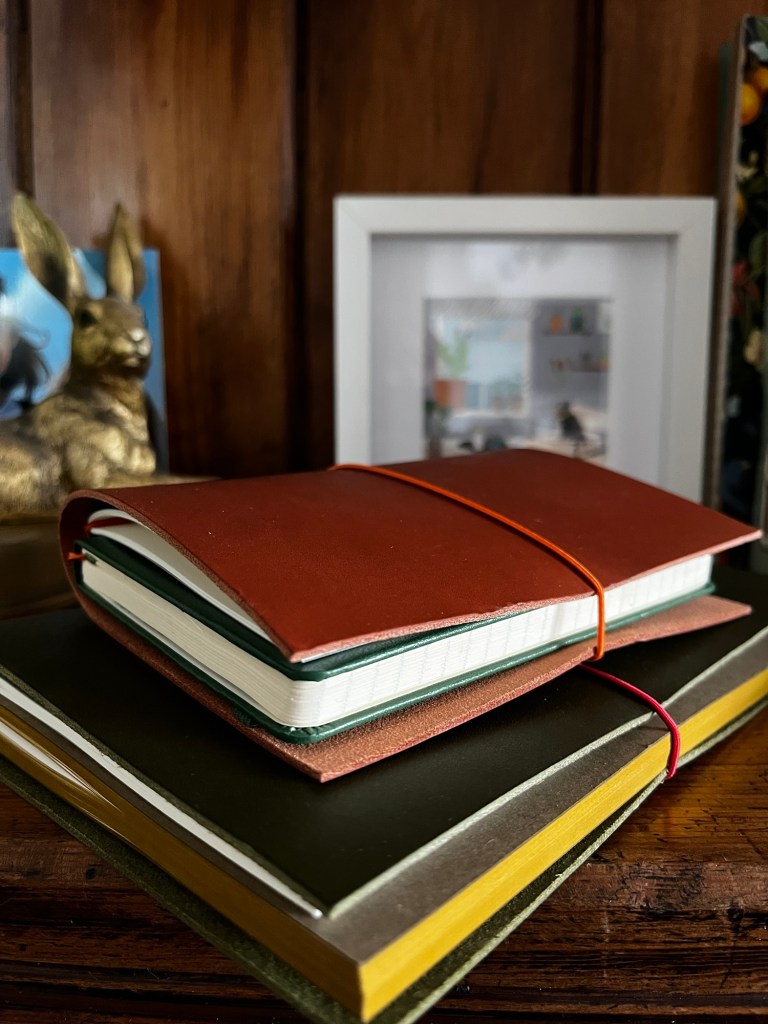
I have purchased two new leather notebooks. One pocket-sized, which can go in my handbag, and one A5-sized, which will be my writing notebook. As these notebooks contain refills and they also allow me to insert other refills, I won’t need to buy any new notebooks.

Ignore my judgy Harris – the brass hare, in the photo. Harris knows nothing about my notebook addiction.

These notebooks whispered to me, ‘You’re the kind of woman who writes important thoughts.’

With these beautiful notebooks I won’t have that worry about spoiling them. I mean, I have had them a week or so, and both are still empty, but the ideas will soon start flooding, and they will be well used in no time (Lie 3).

I don’t need lots of notebooks in life. I can work on 2 maximum. (Lie 4).

Up until now buying a new notebook has been my go-to response at the sign of a life problem. Whenever my life has chucked a curve ball at me I will pop out and buy a notebook, These new notebooks will stop this. (Lie 5)

Big ideas are coming, readers. My new notebooks and I are ready for them.

I can’t wait to update you all on….my failed attempts at not buying anymore new notebooks 🤣

Harris the brass hare needs to stop giving me judgy looks as I sit here and stroke my new notebooks.

Learn more about me

😳 Sliding Door Moments: How To Nail Alternate Reality Plots

Featured

Have you ever wondered what would have happened if… You had turned down that job, stayed with that love interest, gone travelling instead of going to university, or taken a different life path?

Would you love to glimpse at what I refer to as the road not taken?

I am reflecting on the crossroads in my life and the roads I didn’t take;

What would have happened if, at seventeen, I had stayed with the handsome lifeguard who was great to look at but didn’t talk much? When he did talk (not that often) it was one maybe two word type answers. I couldn’t cope with the lengthy silences…

What would have happened if I had not gone to university and remained a till girl in the teenage clothing department of C&A?

What would have happened if I had self published my first ever novel – a space romcom which defied the laws of science but was like – Bridget Jones in space – and I had become famous because of it? Plus the famous scene where they are doing saucy things whilst passing by the rings of Saturn would be like a legendary film clip.

My mind is boggling.

There are lots of good examples of alternate reality stories. In one of my favourite books, The Midnight Library by Matt Haig, Nora steps into a library filled with books representing different versions of her life. She gets to glimpse at the roads she didn’t take in life. In the film Sliding Doors, Gwyneth Paltrow’s character misses or catches a train, leading to two different life outcomes.

I love how small moments can have a profound impact on your life; the text message you didn’t send, the bus or train you missed, the party invite you declined or the notebook you didn’t buy – the one which you would have taken to a writer conference and as you proudly waved it about you would have caught the eye of someone significant (my notebook addiction coming through here – sorry).

Can you imagine being able to see what would have happened if you had got on the bus or gone to the party?

Why do we love these types of stories? I suppose they tap into deeper emotions, such as regret and curiosity, and they make us ask whether there is such a thing as destiny? Or is everything down to chance?

Here are some things to consider when writing stories where the character gets to see an alternate reality:

  • What lesson is the alternate reality TEACHING your character? It’s not about how things could have been; it is about what the character needed to LEARN.
  • Think about why your story needs alternate realities. It is a tool and it must be used to explore a character’s inner journey. It’s not just a gimmick.
  • Think about what your character will think by the end? How has it changed them?
  • Don’t go alternate reality crazy. Limit the number.

Good Luck

Learn more about me..

🪞 Writing About Magical Mirrors

Featured

Mondays have become a lot more interesting for me now that I can share my writerly thoughts on cool topics like time loops, curses (future posts), and now, magical mirrors.

I need a magical mirror in my house. One that guarantees me a reflection where I look 10 years younger and two stone lighter – ha! Waking up and gazing at my reflection would be such a wonderful experience. There would be no more groans, sighs, counting of new wrinkles, grey hair spotting, gasps or screams (when I am in my allergy season).

Let’s talk about magical mirrors and adding them to your stories.

Mirrors can bring tension, symbolism and wonder to your tale. With a sprinkling of creative magic you can do all sorts of fun things using your magical mirror. It can distort reality, explore a mysterious part of the person gazing into it, reveal hidden truths or act as a doorway to another world.

If you looking at add a magical mirror here are some things to think about:

  • Decide the mirror’s primary function is: is it a portal or a doorway to another world? Does it reveal hidden truths about a person’s character, or does it show something about the future?
  • Use it to explore interesting things: Shame or regret (oooooh!) or who I could have been? (Oh gosh!) Characters who are lying to themselves are so much fun to write. Use the mirror to show them things they don’t want to see or accept.
  • Cracked mirror fun: Let the mirror crack to signal the end of something or someone – gasp! For me, as a romance writer, it could signal the end of a relationship. Cracked mirrors are so unsettling as well so you will be building tension.
  • Shake things up a bit: Maybe it could show someone else? Or another place or time? This is a common theme amongst magic mirrors generally: mirrors don’t lie – well maybe your mirror could lie?

💖 Now I do love a spoonful of romance so here’s some considerations:

❤️ Does the mirror show a future love?

💔 Does it show a romantic betrayal (oh gosh!)

👰🏼 Does it show their wedding day but they are not marrying their love interest

🙈 A mirror that shows what your love interest dislikes about you (enjoy! 😜)

😱 It cracks to show the love is over

Get those magical mirrors in your stories 🪞

I am off to search for a magical mirror which makes me look like a supermodel – sigh!

I am going to add the link to a fascinating post from my friend Icy Sedgwick – called Spells & Scrying: Mirrors in Magic, Mythology & Folklore. The Mirror Superstitions section is fabulous!

⏰ Groundhog Day But Better: How to Craft Time Loops In Your Fiction

Featured

I am a fan of books and films where characters get stuck in a time loop and are forced to relive the same moments.

My love of time loops probably stems from watching the movie Groundhog Day. I can still remember sitting on the sofa, shovelling popcorn into my mouth and watching that 1993 comedy with Bill Murray and Andie MacDowell. It is a story of a man, Phil Connors, who lives the same day over and over again. Initially, he is a cynical and selfish weatherman, but by the end, after reliving the same day repeatedly, he begins to help and connect with others.

I love time loop stories because the characters get to learn from past mistakes, see the consequences of actions and immediately put that knowledge to good use.

Over the years I have read some great time loop stories:

  • The First Fifteen Lives of Harry August. Every time Harry dies, he’s reborn into the same life.
  • Before I Fall by Lauren Oliver. The character relives the day of her death over and over again until she can rewrite her legacy.
  • The Opposite of Always by Justin A. Reynolds. The character keeps reliving the moment his girlfriend dies.
  • In a Holidaze by Christina Lauren.
    Her character is stuck reliving the same Christmas holiday until she figures out what (and who) she really wants.

As I am in my speculative writing era, here are some things to think about if you are writing a time loop:

  • Time loops are not gimmicks. They are clever tools for character transformation. It took me a while to see this, but it is true. The time loop forces a character to change. The character isn’t in charge of the time loop and this is what makes it cool. The only control they have is their reaction to the loops and doing unpredictable things to find a way of breaking it. You need to think about what sort of transformation you want your character to have. Is the time loop a tool for helping your character process grief? Facing an emotional truth? Or fixing a broken relationship? Think about Groundhog Day and the transformation Phil Connors goes through.
  • Make the repetition feel fresh. There is a real danger with time loops that readers will get bored of the repeated moments. Don’t replay full scenes unless something significant changes.
  • Make your character relatable and interesting. The reader is going to go through a lot for this character.
  • The stages of your character accepting they are in a time loop and getting out of it. 1. repetition / confusion. 2. Fun experimentation. 3. Frustration. 4. A new hope. 5. Resolution.
  • Rules of the time loop are key. You need to establish these early on: when does the loop get reset (examples might include death, midnight, or a specific decision)? Who remembers the time loop? Is it just the main character, or are there others who also remember it?
  • It’s all about the exit strategy. How does your character break the loop? This is so important. To break the loop do they need to have learned something about themselves? Have they decided to change themselves? Or have they decided to forgive? This goes back to the purpose of the time loop and the transformation it is giving to your character.

As a romance author here’s some of my thoughts on how we can use time loops:

  • ❤️ Exploring -The One That Got Away.’ Fate gives your characters a second chance at a break up they never got over or a confession they need to have made. Love this!
  • 💔 To let someone go. Think lost love or processing grief, perhaps. Yes please and I will bring my box of tissues.
  • 🔥 Forced proximity. Trapped with your ex in a time loop – yikes! This has great potential and the stakes are high if enemies to lovers.
  • 🙈 Choosing the wrong person. The time loop forces them to see the error of their ways. Yes, yes, yes!

Enjoy writing your time loops.

Learn more about me here

🔮 Speculative Concepts and Themes

Featured

I am obsessed with writing romance with a speculative twist. They are so much fun and a joy to write.

I have compiled a list of speculative concepts and themes that might be helpful for other writers considering similar projects. They may also prompt you to think of books you have read that incorporate these concepts or simply spark your imagination.

I only have to read the list below, and my fingers start to itch.

Time and Memory

  • Time loops. This is where a character relives the same day, date or event until emotional growth occurs.
  • Selective Memory Loss. This is where a character forgets a person, relationship, or a single emotion.
  • Memory sharing/transfer. This is where a character can touch an object/person and that lets them access someone else’s memories.
  • Reliving alternate outcomes. This is where you explore “what ifs” from past decisions.
  • Borrowed time. This is where a character is loaned moments from another’s life or timeline.

Parallel Lives and Multiverse

  • Split reality decisions. This is where you explore different reality outcomes. What would have happened if I had stayed or left?
  • Finding a portal to a version of life. This is where you find a portal to a life you have lived differently.

Magical Realism and Objects

  • Mirrors, clocks that replay parts of life.
  • Locked boxes or letters that open at the right point in life.
  • App generared relationships that change something about reality.

Romance Spec Themes

  • Second chance romance under impossible conditions
  • Chosen love versus destined love
  • Emotional amnesia and rediscovery
  • The love that waited.
  • Can you fall in love the same way twice?
  • Undoing a mistake

I have no idea where this era will take me. All I do know that I can only write what I enjoy and what excites me.

Learn more about me here

💻 Let’s Start a New Blogging Chapter

Featured

This little blog has been trying to get my attention for sometime. For months it has been tugging at my virtual coat tails. It is persistent, I will give it that, and it was not put off by my excuses: too busy, too tired, have not consumed enough sugar and need to wait for blogging inspiration . It didn’t care about those.

So, here I am at the start of a new blogging chapter.

What’s been happening in my creative life? I had five contemporary romance books published, and then… something beautiful (see below) came into my life and I wrote a funny and heartfelt romance novel with a speculative twist (enemies to lovers in the afterlife). It didn’t go anywhere, but it unlocked something inside me.

I got so much enjoyment from writing that book (I even enjoyed editing it) that I decided to write more of these sorts of romances. These are love stories where I add a sprinkle of fantastical, supernatural or futuristic subplots. In simple terms my new stories couldn’t exist in reality, as something about the world I have created is fundamentally different.

I have tried to get my writing brain to return to contemporary romance, but it refuses and keeps serving me these weird but delicious love stories. Writing has become a joy again, and I have found a part of me that I never knew existed. There’s something liberating and satisfying about this new journey.

I blame my new antique Gothic writing bureau. Isn’t she beautiful? My husband found her on a second-hand church furniture website.

She’s giving me strong female energy and has done so since she arrived in a van…during a thunderstorm. She is such a diva and I love how she made a dramatic entrance into my writing life.

Ever since she arrived, all these fabulous wild and wacky new love story ideas appeared in my brain. I can’t write the stuff I used to write. It’s as if she slammed the door shut to contemporary romance and yanked opened a new one.

So, if you have ever wondered where I am, I am sitting at my antique Gothic bureau writing love stories which combine my love of all things weird. I am also hiding secrets in all of her little drawers.

I do wonder whether my Gothic writing bureau is possessed and is channelling all sorts of weird stuff through me. If this is the case you need to remember this blog post 🤣

Oh, and I am going to start blogging about all things weird and wonderful. I am going to write about things that blow my creative mind: time slips, synchronicities, special gifts (not the type wrapped up in pretty paper and a bow) and the unexplained.

My Gothic writing bureau and I both say hello and thank you for reading.

Until next week 🙂

Learn more about me here

✉️ The Role of Love Letters in Romance Stories #Romance

Featured

I have been busy working on book 4 where the main characters used to date as teenagers and write each other love letters.

Does anyone remember sending handwritten letters or even better receiving them? I used to cover mine in doodles – flowers, hearts etc and maybe the odd – T.L.N.D (true love never dies) and S.W.A.L.K (sealed with a loving kiss).

Love letters / romantic post-it notes / romance text messages/ romantic emails serve multiple purposes, enriching the narrative in various ways:

Intimacy and Connection: Love letters provide a glimpse into the intimate thoughts and feelings of the characters. They allow readers to witness the depth of emotions shared between the protagonists, fostering a stronger connection between them and the story.

Romantic Gestures: Love letters often serve as romantic gestures within the storyline, showcasing the effort and thoughtfulness of one character towards another. This can heighten the romance and create memorable moments for readers.

Character Development: The content and style of the love letters can reveal insights into the characters’ personalities, backgrounds, and motivations. Through their writing, characters may expose vulnerabilities, desires, and fears, deepening readers’ understanding of them.

Plot Advancement: Love letters can drive the plot forward by conveying important information, such as hidden feelings, secrets, or conflicts. They may serve as catalysts for character decisions and actions, influencing the direction of the story.

Historical Context: In historical romance novels, love letters can provide historical context and authenticity, reflecting the communication norms and societal expectations of the time period. They offer readers a window into the past and enhance the setting of the story.

Anticipation and Suspense: The exchange of love letters can create anticipation and suspense as characters await each other’s responses, heightening the emotional tension and keeping readers engaged in the unfolding romance.

Overall, love letters serve as powerful literary devices in romance books, enhancing the emotional depth, character development, and overall storytelling experience for readers.

Here’s some tips:

  • Be specific. Mention the ‘little things’ – the way they make you laugh, the moment you knew they were special.
  • Show vulnerability. Let the character reveal their fears, hopes and desires. Vulnerability makes the letter more moving and initmate.
  • Use sensory details. Describe how they feel, sound, taste and smell.
  • Stay true to the character.

Learn more about me.